

1. Introduction
Korea has a long and complex history, one that is deeply connected to its relationship with Japan. The two countries have had a tumultuous relationship over the centuries, with Japan occupying Korea for much of the 20th century. This article will explore why Korea split from Japan, beginning with a look at the historical context of Japanese occupation of Korea, before examining the assimilation policies and their impact on Korea and the Korean resistance to Japan’s rule. We will then look at the end of World War II and the Allied Powers’ role in Korea’s liberation, followed by an exploration of the U.S.-Soviet divide and the creation of North and South Korea. Finally, we will consider the Korean War and its aftermath as well as draw some conclusions about why Korea split from Japan.
2. Historical Context of Japanese Occupation of Korea
The history between Japan and Korea dates back centuries, but it was not until 1910 that Japan began its official occupation of Korea. This occupation lasted until 1945 when Japan surrendered at the end of World War II. During this period, Japan sought to assimilate Koreans into their culture by forcing them to adopt Japanese names, language, customs, religion, and even dress code in an effort to weaken Korean identity and create a unified people under Japanese rule.
3. Japan’s Assimilation Policies and Their Impact on Korea
Japan’s assimilation policies had a devastating impact on Korean culture as they sought to erase any sense of Korean identity or nationalism among its citizens by suppressing their language and culture through various means such as banning books written in Korean or teaching only Japanese in schools. These policies also included forced labor for Koreans who were made to work in factories or on plantations owned by Japanese companies without pay or benefits for long hours in dangerous conditions.
4. The Korean Resistance to Japan’s Rule
In spite of these oppressive measures taken by Japan against Koreans during their occupation period, there was still strong resistance amongst Koreans who fought against Japanese rule through various forms such as organized protests or guerrilla warfare tactics. One example is Kim Il-sung who fought against Japanese forces during World War II before becoming leader of North Korea after it was liberated from Japanese rule in 1945 following surrender at the end of World War II..
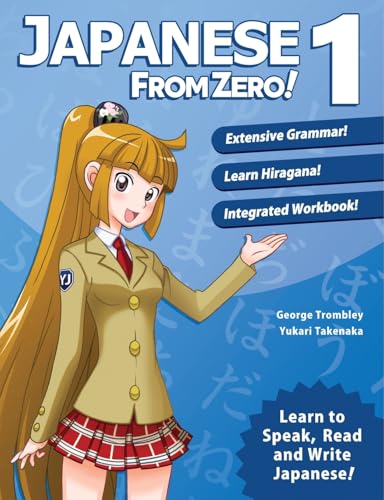
- Used Book in Good Condition
- George Trombley (Author)
- English (Publication Language)
- 376 Pages - 08/22/2014 (Publication Date) - Learn From Zero (Publisher)
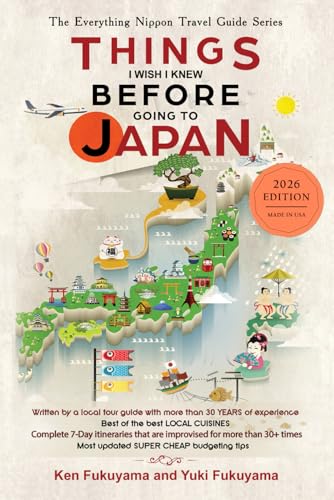
- Ken Fukuyama, Yuki Fukuyama (Author)
- English (Publication Language)
- 246 Pages - 10/11/2022 (Publication Date) - Independently published (Publisher)

- Used Book in Good Condition
- Sumiko Uo (Author)
- English (Publication Language)
- 6 Pages - 01/01/2005 (Publication Date) - BarCharts Publishing Inc. (Publisher)
5. The End of World War II and the Allied Powers’ Role in Korea’s Liberation
At the end of World War II when Japan surrendered to Allied forces led by America and Russia (the Soviet Union), both countries had different visions for what should happen with regards to how they would deal with liberated countries such as South Korea which had been occupied by Japan since 1910 until 1945 when they surrendered at war’s end.. Initially both countries agreed that there would be one unified government for all Koreans but this quickly changed when Cold War tensions between America (who wanted democracy) & Russia (who wanted communism) began escalating which resulted in both countries having different visions for how post-war liberated countries should be governed which ultimately led to them dividing up liberated countries into two separate governments; one democratic (South) & one communist (North).
6. The U.S.-Soviet Divide and the Creation of North and South Korea
The U.S.-Soviet divide resulted in two separate governments being established; one democratic government led by Syngman Rhee in South Korea & one communist government led by Kim Il-sung in North Korea which officially divided up what used to be unified country into two separate nations; North & South Koreas respectively.. This division was further solidified when both governments signed a peace treaty officially ending hostilities between them & establishing each nation’s borders along what is now known as “The 38th Parallel” which is still recognized today as being part of North & South Koreas respective borders..
7. The Korean War and Its Aftermath
The division between North & South Koreas eventually lead to open hostilities between them resulting in what is now known as “The Korean War” which lasted from 1950-1953 & ended with an armistice agreement but no official peace treaty being signed.. This armistice agreement has left tensions high between both nations ever since with neither side officially recognizing each other & still technically being at war even today despite efforts made over recent years towards reconciliation..
8 Conclusion: Why Did Korea Split From Japan?
In conclusion it can be seen that while there are many factors involved when looking into why did korea split from japan such as historical context behind japanese occupation period,assimilation policies imposed upon korean people,korean resistance movements,allied powers role during wwii,us-soviet divide etc; ultimately it was due to cold war tensions between america(democracy)& russia(communism) coupled with post wwii power struggle over liberated countries that leaded up towards division& eventual split off korea from japan.
9 References
>
– https://www1.nytimes.com/2018/04/27/world/asia/korea-japan-history.html
- Used Book in Good Condition
- George Trombley (Author)
- English (Publication Language)
- 376 Pages - 08/22/2014 (Publication Date) - Learn From Zero (Publisher)
- Ken Fukuyama, Yuki Fukuyama (Author)
- English (Publication Language)
- 246 Pages - 10/11/2022 (Publication Date) - Independently published (Publisher)
- Used Book in Good Condition
- Sumiko Uo (Author)
- English (Publication Language)
- 6 Pages - 01/01/2005 (Publication Date) - BarCharts Publishing Inc. (Publisher)
– https://www.bbc.com/news/world-asia-45485962
– https://www.britannica.com/event/Korean-War
– https://www.history.com /topics /korean -war /korean -war -causes
How did Korea get rid of the Japanese?
Japanese rule over Korea ended on August 15 1945 when Japan surrendered in World War II. Later the armed forces of the United States and the Soviet Union occupied the area.
Why did the Japanese rule Korea?
Japan invaded/colonized Korea because it was part of Japans imperial goals. Ever since Japan ended its closed policy and began diplomatic relations with foreign powers there was always the possibility of invasion and colonization of Japan.
Who decided Korea split?
In the last days of the war the United States proposed dividing the Korean peninsula into two zones of occupation (American and Soviet). The Soviets accepted his wish and agreed to the partition of Korea.
What was Korea called before the split?
According to legend Koreas first kingdom Gojoseon (then known as Choseon) was founded in B.C. in the year 2333. Dangun who is said to have descended from the sky. However Korean history has been a constant struggle between the forces of unification and division.
How did Korea free itself from Japan?
Koreans also fought armed battles with Japanese forces in Manchuria and Korea. In 1919 and 1920 units of the Korean Liberation Army carried out resistance operations across the Korean-Chinese border through guerrilla warfare to fight the Japanese army in Manchuria.
Who ruled Korea before Japan?
Goryeo Dynasty The Goryeo Dynasty was founded by Wang Jeon in 918 and became the ruling dynasty of Korea in 936.

