

If you’re excited about My Friend’s Little Sister Has It In for Me! (ImoUza), you likely enjoy rom-com anime filled with teasing, awkward relationships, and comedic tension. With the anime set to premiere in October 2025, now is a fantastic time to check out similar series. The following 15 anime all feature playful banter, fake dating scenarios, or intricate relationships, making them ideal for fans eager for ImoUza.
1. Toradora!

Every anime fan recognizes this one for good reason—it’s viewed as the gold standard of tsundere romance that defined an entire generation of anime. Taiga is a petite girl who continually bullies Ryuji, similar to how Iroha annoys Akiteru nonstop. Both girls appear mean and irritating, but they’re really just concealing their feelings. Ryuji remains patient with Taiga’s antics, much like Akiteru copes with Iroha.
The greatest thrill is witnessing characters who seem to despise each other gradually grow closer. Sometimes, the individual who irritates you the most might actually care about you the deepest, as both these anime demonstrate. With its hilarious school-based comedy and genuinely sweet romance, it suits anyone who enjoys lighthearted high school romcoms with teasing, headstrong characters.
- Used Book in Good Condition
- George Trombley (Author)
- English (Publication Language)
- 376 Pages - 08/22/2014 (Publication Date) - Learn From Zero (Publisher)
2. Nisekoi: False Love

Studio Shaft really nailed it with Nisekoi. The animation flawlessly captures exaggerated romantic comedy moments that make you both laugh and cringe. Raku has to pretend to be Chitoge’s boyfriend, even though they are constantly at odds, similar to how Akiteru deals with Iroha’s chaos despite seeking peace. Chitoge’s combative nature and endless quarrels echo the same energy as Iroha’s constant sparring with Akiteru. Both guys just wish for a serene existence, but these demanding girls keep pulling them into turmoil.
That’s not the end of the parallels between these two shows. Like Raku, Akiteru is thrust into a fake romantic scenario with his cousin, Mashiro Tsukinomori, for family obligations. While he lacks genuine feelings for Mashiro, the awkward circumstances give Iroha endless chances to tease and pick on him, resulting in plenty of humorous misunderstandings and chaotic situations.
3. The Quintessential Quintuplets

Have you ever felt overwhelmed by one demanding person? Try managing five identical sisters who all have unique personalities yet the same appearance. Fuutarou must tutor five different sisters, each with her own way of making things difficult. It’s akin to splitting Iroha’s personality into five distinct girls who are all vying for the same guy’s attention. Fuutarou is just trying to do his job and get good grades, but these sisters continuously complicate his life with their drama. This mirrors what Akiteru experiences with Iroha constantly disrupting his normal routine.
Unlike typical harem anime, The Quintessential Quintuplets offers a strong narrative and character development. Each sister displays a different type of stubbornness, ranging from openly hostile to secretly sweet. The tutoring scenes are genuinely funny because the girls don’t make it easy for him. The story invests in whom he connects with, making it intriguing to guess which sister he’ll ultimately choose, even entertaining the avowed harem skeptics.
- Used Book in Good Condition
- George Trombley (Author)
- English (Publication Language)
- 376 Pages - 08/22/2014 (Publication Date) - Learn From Zero (Publisher)
4. Don’t Toy With Me, Miss Nagatoro
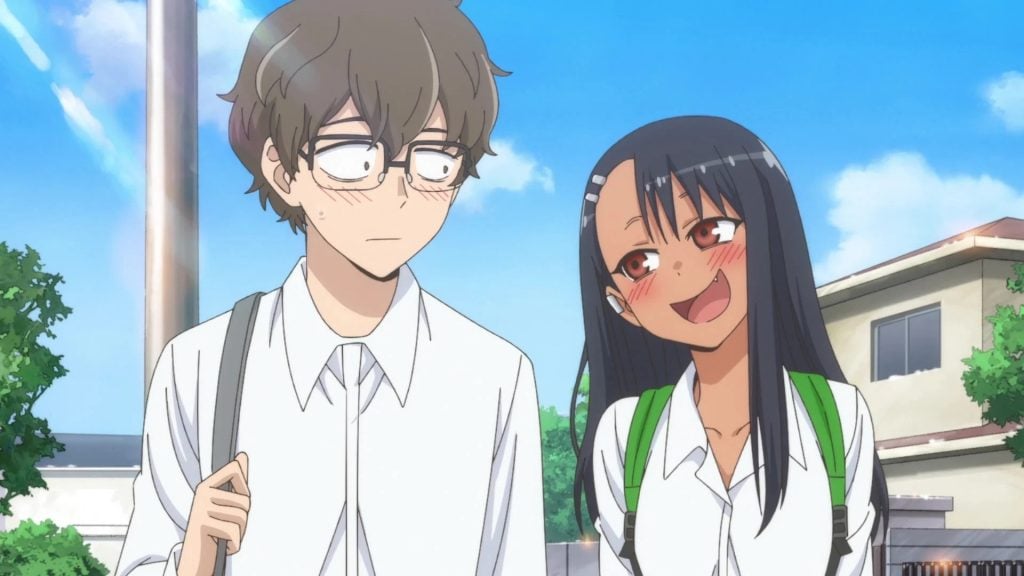
The title says it all. This series nailed the concept of “bullying equals affection” long before it became a popular trope. Nagatoro discovers Senpai drawing manga and decides to mock him every day after school. She acts very mean and calls him names, yet it’s clear she enjoys spending time with him. Senpai tolerates her teasing because he’s too polite to send her away, akin to how Akiteru endures Iroha’s behavior.
Similar to ImoUza, Nagatoro illustrates that when someone annoys you constantly, they might actually like you. Nagatoro invades Senpai’s art room whenever she wants, much like Iroha treats Akiteru’s room as if it’s hers. The humor arises from observing these eccentric relationships gradually evolve into genuine friendship and possibly romance.
5. Rent-A-Girlfriend

Dating apps can’t compare to literally renting a girlfriend for social occasions. Kazuya rents a girlfriend named Chizuru, and their fabricated relationship becomes complicated as genuine feelings start to surface. Chizuru behaves differently whether she’s working or being herself, and somehow, even after 380 manga chapters, we still don’t know how it’ll end.
The forced intimacy in both cases slowly turns meaningful, whether it’s Chizuru’s rental relationship or Iroha inserting herself into Akiteru’s everyday life.
You’ll find humor in all the awkward situations and cringeworthy moments, where characters complicate matters through misunderstandings. While it can be frustrating, it’s a solid choice for those who appreciate intricate relationship drama.
6. My Youth Romantic Comedy Is Wrong, As I Expected

We’ve all encountered that one person who acts like they’re above everyone else. Hachiman is a loner who dislikes interacting with others, but he’s pushed into the Service Club, where he must assist in solving other students’ issues. The main girl, Yukino, appears cold and distant to everyone, yet she’s merely trying to protect herself from being hurt. Hachiman’s sarcastic observations about those around him are both humorous and relatable, and the club setting provides the characters a reason to spend time together despite their differing personalities.
This mirrors how Akiteru likely prefers solitude yet continually gets drawn into situations involving Iroha. Both shows feature guys who would rather avoid drama yet keep attracting challenging girls who provoke them. If you enjoy watching cynical characters gradually come to care for others, My Teen Romantic Comedy SNAFU delivers just that. Plus, the dialogue is smart and amusing without being overly complex, making it easy to appreciate the characters’ interactions.
7. Kaguya-sama: Love Is War

Three seasons and a movie later, Kaguya-sama: Love Is War still resonates. Two exceptionally intelligent students harbor feelings for each other but are too proud to admit it, leading to various mind games to force the other into confessing first. Kaguya frequently plays the role of an ice queen, but her flustered moments reveal her true self—classic tsundere behavior. The narrator even dissects their hidden thoughts behind their actions, enhancing the humor of every awkward or silly encounter.
In a vein similar to Iroha and Akiteru’s dynamic in ImoUza, Kaguya’s pair also conceals their true emotions. The distinction lies in Iroha being more playful and impulsive, while Kaguya is strategic. Both shows illustrate that even the most intelligent individuals can act childishly around their crushes. Additionally, the student council backdrop provides Kaguya and her friends with opportunities to interact, just as the school environment frames the chaotic exchanges in ImoUza.
8. We Never Learn

Remember that dreadful feeling when you opened a textbook for your least favorite subject? We Never Learn encapsulates that universal struggle. Nariyuki tutors three girls grappling with their academic fears—subjects they find overwhelming. As is common in harem anime, his kindness and patience endear him to them without him even realizing it.
This resembles Akiteru dealing with Iroha in ImoUza: he’s merely trying to help or mind his own business but inevitably gets caught up in teasing-filled, complicated scenarios. Both shows depict regular guys who attract attention simply by being dependable and helpful. The school/academic setting adds tangible pressure and context, allowing the characters to bond and evolve their relationships.
9. My Little Monster

Brain’s Base (known for Oregairu, Durarara!!, and To Your Eternity) only produced 13 episodes of this back in 2012, yet it left a significant impression on romantic comedy anime. Shizuku is wholly focused on her studies until she encounters Haru, a guy who disregards social norms and does whatever he pleases. Their connection begins with constant annoyance but gradually deepens over time. Haru’s erratic behavior and penchant for ignoring personal boundaries provide both comedy and drama, making each interaction enjoyable to watch.
My Little Monster’s primary couple mirrors the chaotic, teasing energy of Iroha and Akiteru in ImoUza: Akiteru seeks tranquility, yet Iroha persistently invades his personal space and teases him, keeping him alert. Moreover, both anime illustrate how the individual who frustrates you the most might also understand you best.
10. Lovely Complex

Height differences in anime couples usually follow a single pattern, but this series turns that on its head. Risa is quite tall, Otani is very short, and they start as a comedic duo before slowly realizing their feelings for one another. Their ongoing bickering and squabbling generate endless laughs, while the high school backdrop keeps everything feeling genuine. The height disparity leads to humorous situations, but the true comedy arises from observing two stubborn individuals gradually recognize their affection for one another.
Similar to how Iroha keeps Akiteru on edge in ImoUza, Risa and Otani’s constant teasing conceals genuine emotions beneath the surface. Both shows highlight that couples who clash can end up caring more for each other than those who get along seamlessly. Risa’s loud and persistent nature mirrors Iroha’s relentless energy, while Otani’s patience allows him to look past her annoying traits and value her positive attributes.

